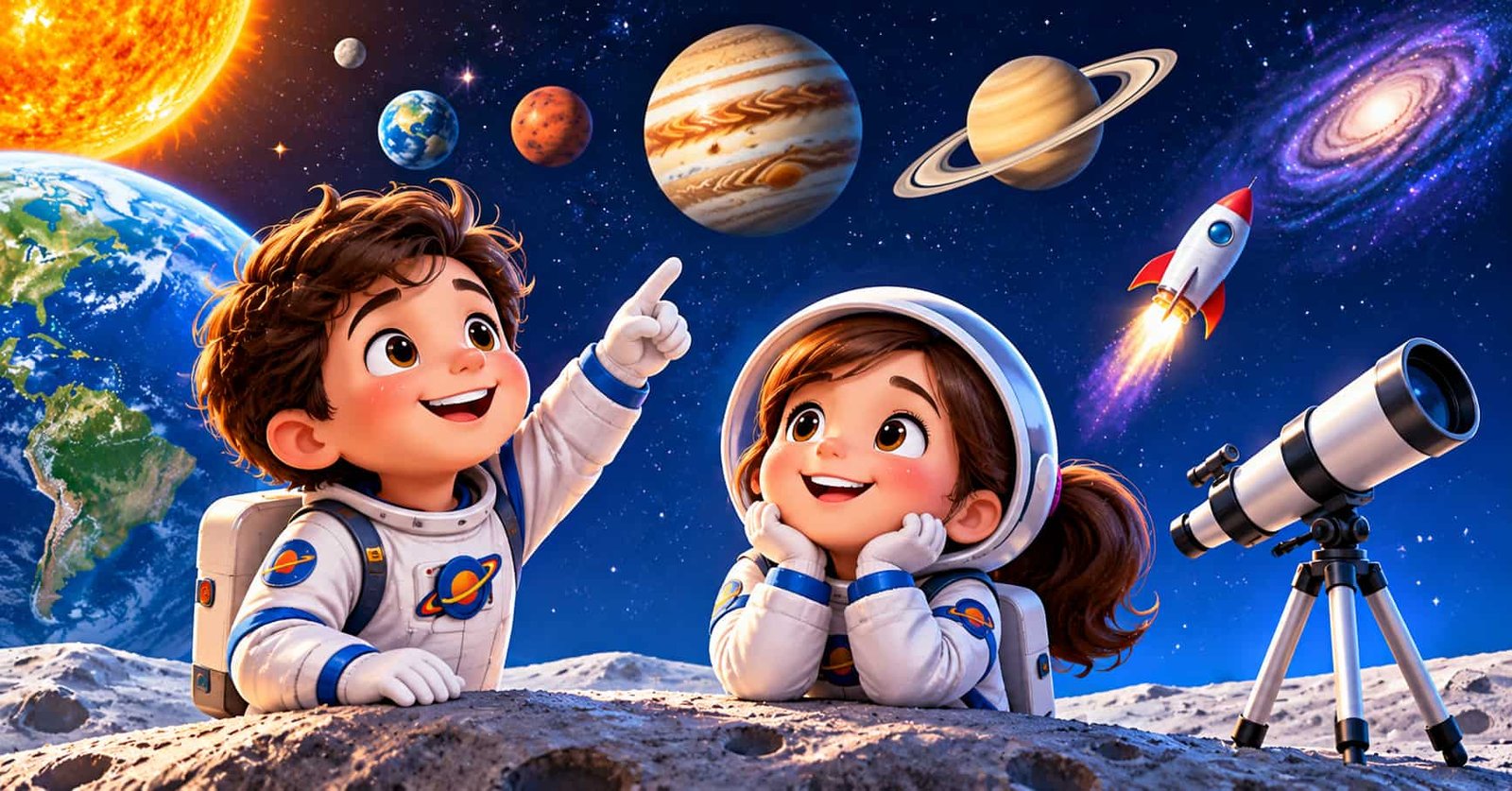
Best 400 Amazing Space Facts for Kids 2026
A focused guide to choosing an engaging space facts book for curious children, plus a companion animal facts book for young readers who enjoy discovering the natural world.
As an Amazon Associate, 4BestBuy earns from qualifying purchases. This means we may receive a commission when you purchase eligible products through links on this page, at no additional cost to you.
If you are looking for a simple way to encourage curiosity, reading time, and family conversations, 400 Amazing Space Facts That Will Blow Your Mind is the clear focus of this guide. It is described as a facts book about planets, stars, and black holes for kids who love space. A second title, 300 Amazing Animal Facts for Kids, provides a different curiosity-led option about creatures ranging from tiny insects to giant whales.
Quick Navigation
Why Space Facts Books Make Useful Reading Choices
Children often become interested in science through a single surprising question. Why do stars shine? What is a black hole? How many planets are in our solar system? A facts book gives adults an easy way to respond to that curiosity without turning every reading session into a formal lesson.
The appeal of a space facts book is its subject variety. Space naturally brings together planets, stars, and black holes, giving children several directions to explore. One child may be fascinated by planets, while another may be more interested in the dramatic idea of black holes. A book that brings these subjects together can support browsing, shared reading, and short bursts of independent discovery.
For parents, grandparents, teachers, and gift-givers, the most important buying question is not whether a book sounds impressive. It is whether the topic matches the child’s interests. The space title featured below is best suited to children who already enjoy looking at the sky, asking questions about the universe, or choosing science-themed reading material.
Families who want to build a broader reading collection can also explore the site’s guide to books available through the wider Amazon book collection. For a child who enjoys activity-based learning as well as reading, the guide to KDP activity book niches may also help adults understand the wider range of educational and creative book formats available.
1. 400 Amazing Space Facts That Will Blow Your Mind

One practical way to use this book is to turn reading into conversation. Ask the child which fact surprised them most, which topic they want to investigate next, or whether they would rather read about planets, stars, or black holes. This creates a natural bridge between the book and other activities such as drawing a planet, making a question list, or looking for additional library resources.
It can also be useful for children who do not always want to read a long chapter at once. Facts-based books allow readers to pause, return later, and choose their own entry point. That flexibility may make the subject feel more approachable for a child who enjoys science but has a shorter attention span for continuous reading.
2. 300 Amazing Animal Facts for Kids

How to Choose Between the Two Books
The simplest decision is to start with the child’s current questions. If they ask about planets, stars, black holes, astronauts, or the universe, the space facts title is the natural choice. If they are constantly talking about insects, whales, animals, or wildlife, the animal facts title will be a closer match.
Think about the type of conversation you want the book to encourage. Space reading can lead to questions about the universe and the night sky. Animal reading can lead to conversations about different creatures and the environments where they live. Both themes can support curiosity, but they begin from different interests.
Another consideration is whether the book will be purchased as a first title or as part of a small collection. For a single book, select the title that most closely reflects the child’s favorite topic. For a gift bundle or home reading shelf, the two books complement each other because they cover separate areas of discovery.
Families preparing for school can pair reading with practical resources. The site’s guide to back-to-school backpacks may help with school preparation, while the guide to lunch boxes for kids and the guide to water bottles for school cover other everyday needs.
Space Facts Book Compared With Animal Facts Book
| Book | Best For | Main Topic | Buying Guidance |
|---|---|---|---|
| 400 Amazing Space Facts That Will Blow Your Mind | Children who love space | Planets, stars, and black holes | Choose it for a direct match with space curiosity. |
| 300 Amazing Animal Facts for Kids | Children who love animals | Insects, whales, and other creatures | Choose it for wildlife and nature interests. |
The comparison is not about one book being universally better than the other. They serve different interests. The space book is the stronger match for the title and search intent of this guide, while the animal book is the better alternative for a child whose curiosity is focused on living creatures.
Ideas for Making Facts-Based Reading More Engaging
A facts book does not have to be read from beginning to end in one sitting. Invite the child to choose a topic, open the book during quiet time, or share one interesting fact at the dinner table. Short reading moments can still create a consistent habit.
For the space title, children can create a simple list of questions about planets, stars, and black holes. They can draw what they imagine a distant world might look like or create a pretend space mission using facts from the book as conversation starters.
For the animal title, children can choose one creature from the smaller end of the range and one from the larger end. Asking what makes each creature interesting can encourage comparison, vocabulary development, and imaginative discussion.
Parents should avoid turning every fact into a test. The goal is to make discovery enjoyable. A child may remember one fact immediately and forget another. That is normal. The value of this type of book comes from repeated exposure to interesting subjects and the questions that follow.
Other Reading and Gift Ideas for Children
If the child enjoys books connected to culture and family storytelling, you can also explore the guide to Indian mythology books for kids. For seasonal reading and creative activities, the guides to Halloween coloring books and Christmas dot-to-dot books may also be relevant.
These recommendations serve different purposes, so the best choice depends on the occasion. A facts book is a strong option for everyday curiosity and reading time. A seasonal activity book may be more appropriate for a holiday gift, classroom activity, or themed quiet-time project.

The 1% Mindset
The foundational business mindset book on this list — built on one premise: improving by just 1% every day compounds into extraordinary results. Covers time management, decision-making, resilience, financial intelligence and deep focus. The essential starting point before any other book on this list.

The Fake CFO
A revealing exposé on how toxic finance leaders rise through organisations, manipulate power and create lasting damage. Essential reading for every CEO and founder who has ever delegated financial responsibility. Identifies the 10 warning signs before the damage is done.
AI Business Growth Toolkit 2026
A practical toolkit for entrepreneurs, creators, consultants, freelancers and small business owners who want to use AI to build, market, sell and automate their business. Packed with 500+ AI prompts, templates, checklists, worksheets, trackers and a 30-day implementation plan to help you find opportunities, improve productivity, attract customers and grow your business.
Frequently Asked Questions
What is the main topic of 400 Amazing Space Facts That Will Blow Your Mind?
The book is described as a facts book about planets, stars, and black holes for kids who love space.
Which child is most likely to enjoy the space facts book?
It is best suited to children who already show interest in space, planets, stars, black holes, or questions about the universe.
What is the alternative book in this guide about?
300 Amazing Animal Facts for Kids is about incredible creatures ranging from tiny insects to giant whales.
Should I buy both books?
Buying both may make sense if the child enjoys broad curiosity-led reading. The books cover different themes, so one focuses on space while the other focuses on animals and wildlife.
Are prices included in this guide?
No fixed price is stated because Amazon prices and availability can change. Use the individual Amazon links to check the current listing before purchasing.
Final Recommendation
If the child’s interest is space, planets, stars, and black holes, the first book is the most relevant choice. If the child prefers wildlife and creatures, the animal facts book is the better fit. Both titles are positioned as curiosity-focused reading options rather than general storybooks.
Budget Choice
Choose the single title that most closely matches the child’s current interest. A focused purchase is better than selecting a book on a subject the child may not enjoy.
Editor’s Choice
400 Amazing Space Facts That Will Blow Your Mind is the best all-round choice for this guide because it directly matches the space-focused search intent and covers planets, stars, and black holes.
Premium Choice
Choose both books when you want a broader curiosity collection covering space as well as animals, insects, and whales.
Some links in this article are affiliate links. If you make a purchase or take an action through one of these links, 4BestBuy may earn a commission at no additional cost to you.
Follow 4BestBuy
Explore more books, buyer guides, educational ideas, and practical recommendations.
Space Facts
Kids Science Reading
Animal Facts for Kids
Educational Books
A Practical Buying Checklist for Parents and Gift-Givers
Before choosing a facts book, consider how the child normally discovers new information. Some children enjoy opening a book anywhere and reading a few short entries. Others prefer an adult to read aloud and explain unfamiliar ideas. A facts-based title is most useful when its format fits the child’s existing habits instead of requiring them to change how they read.
Start by identifying the strongest current interest. If the child watches space documentaries, asks about the moon, draws rockets, or enjoys talking about planets and stars, 400 Amazing Space Facts That Will Blow Your Mind is likely to create the most immediate connection. If the child is more interested in pets, insects, ocean life, or wildlife, 300 Amazing Animal Facts for Kids may receive more regular use.
Next, think about whether the book is intended for independent reading or shared reading. For independent use, choose the subject the child can explore without much encouragement. For shared reading, either book can become a conversation starter because adults can pause after an interesting fact and ask what the child thinks, what they would like to learn next, or how the subject connects to everyday life.
- For a birthday gift: match the book to the child’s favorite questions or hobbies rather than choosing only by the number of facts in the title.
- For a classroom or library shelf: the space title adds a science-focused option, while the animal title offers a nature and wildlife theme.
- For family reading: choose the subject most likely to encourage several people to participate in the discussion.
- For a child with changing interests: buying both titles creates two separate directions for browsing without forcing the books into the same category.
Important Trade-Offs to Consider
The space book has a clear thematic advantage for children who are already fascinated by the universe. Planets, stars, and black holes feel connected, so a child can move from one subject to another while staying within the same broad area of interest. The trade-off is that a child who has little interest in space may need more encouragement to begin reading.
The animal book offers a different type of variety. The contrast between tiny insects and giant whales gives children a wide range of creatures to discover. This may suit a reader whose interests change quickly because the subject is not limited to one environment or animal group. However, it will not be the closest match for a child specifically searching for planets, stars, or black holes.
The number in each title should also be treated as a sign of variety rather than a promise that a child will read every entry in order. Younger readers may enjoy selecting a few facts at a time, while older children may browse more independently. The best value comes from repeated use, family discussion, and the questions that develop after reading.
A simple decision rule
Choose the space title when the child’s questions point upward toward the universe. Choose the animal title when the child’s attention is directed toward living creatures. If both interests are equally strong, consider which topic the child has had fewer opportunities to explore recently.
Simple Activities to Extend the Reading Experience
After reading a space fact, invite the child to create a three-part question list: something they already know, something surprising, and something they want to investigate later. This approach keeps the activity open-ended and avoids turning the book into a quiz. A child could also choose one subject, such as stars or black holes, and draw a picture based on what they understood.
Another useful idea is a family “fact of the day.” The child chooses one entry to share at breakfast, during a car ride, or before bedtime. Adults can ask a follow-up question without demanding a perfect explanation. This makes the book part of normal conversation and gives the child a reason to return to it.
The animal title can support comparison activities. Ask the child to select one small creature and one large creature, then discuss how their bodies, habitats, movement, or behavior might differ. The purpose is not to test scientific vocabulary. It is to encourage careful observation and help the child explain why a particular animal is interesting.
For a weekend activity, let the child create a personal index of favorite topics. Space readers might organize entries under planets, stars, and black holes. Animal readers might sort their discoveries by insects, ocean creatures, land animals, or size. The index can be handwritten in a notebook and updated whenever the child finds a new favorite fact.
Questions Parents Often Ask Before Ordering
Is a facts book suitable if a child does not read for long periods?
It can be. Short entries allow the child to read in small sessions and stop without losing the thread of a long story. An adult can also read selected facts aloud, making the book useful for shared reading even when independent reading time is limited.
Which title is better for a mixed-age family?
There is no single answer because the strongest choice depends on the shared interest in the household. The space title may work especially well when several family members enjoy science and sky-related questions. The animal title may be easier to share when children have different favorite creatures and enjoy comparing them.
Should the book be treated like a school workbook?
No. These titles are better approached as curiosity-led reading. Parents can use them to encourage questions and conversation without assigning tests, memorization tasks, or a fixed reading schedule.
What should I check before completing the purchase?
Review the current Amazon listing for availability, edition details, delivery options, and the final price. If the book is a gift, also consider the child’s age, reading confidence, and whether the topic matches questions they are already asking.